

Physical Therapy for Rock Climbers in Lancaster | Rose Recovery
Recover from climbing injuries. Build strength. Get back on the wall.
Our Approach
Finger pops. Elbows ache after a crimp session. A shoulder that used to lock off now complains on every warm-up. If climbing is how you train, compete or clear your head, an injury that keeps you off the wall is more than a temporary annoyance.
Rose Recovery Physical Therapy in New Holland, PA is a private, cash-pay clinic built for that kind of problem. You work one-on-one with a doctor of physical therapy from Lancaster County who treats finger, wrist, elbow, and shoulder injuries with the same care he brings to his own climbing sessions.
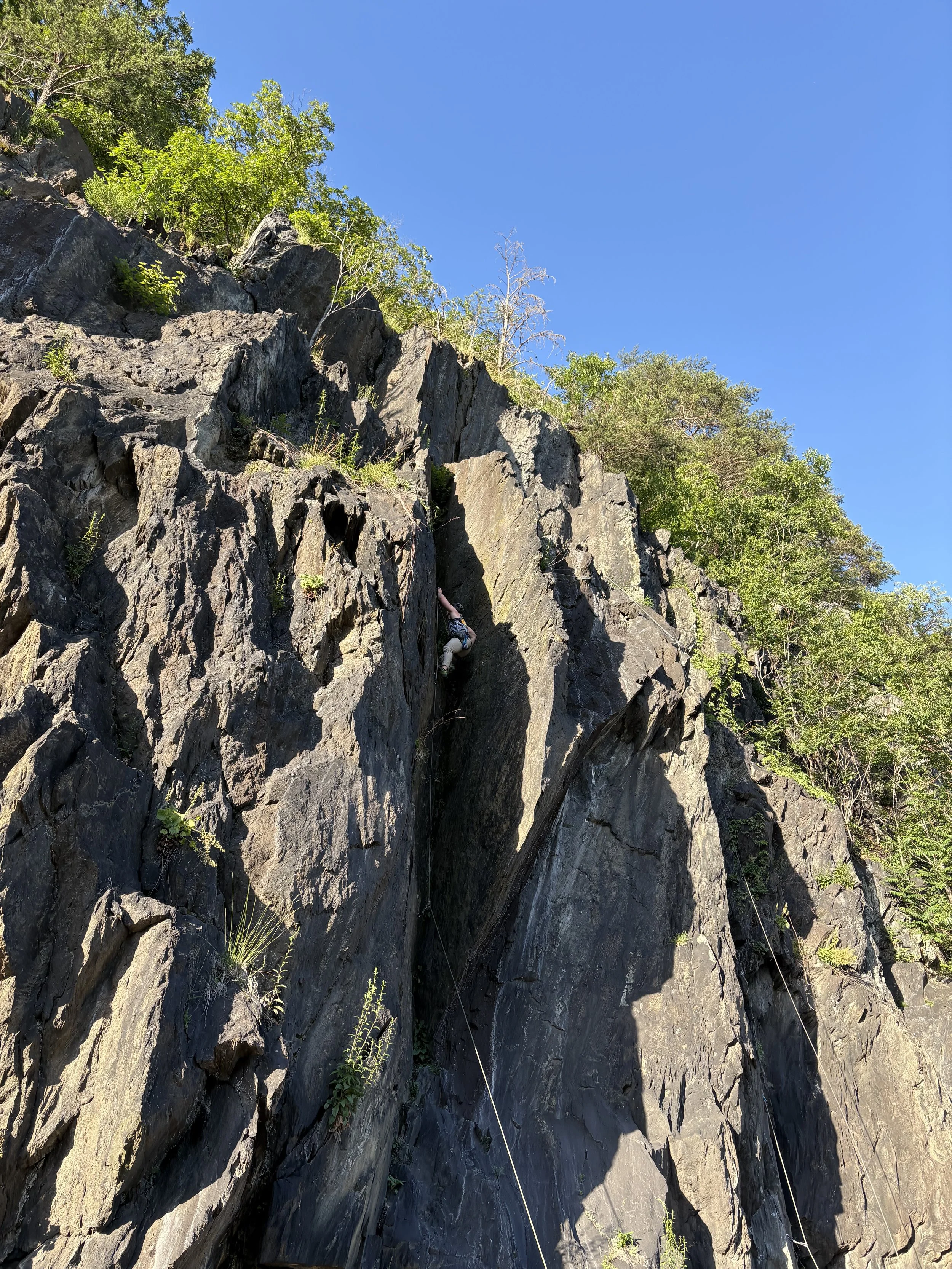
We treat injuries related to climbing.
Climbing loads the fingers, elbows, shoulders, wrists and trunk in ways that few other sports repeat. Common problems we see include the following:
Finger flexor pulley strains and ruptures
A2 and A3 pulley injuries are the classic "pop" on a hard crimp or pocket. Grades range from a sprain to a complete rupture. Rehab is grade-specific: early protection, controlled range of motion, progressive loading, and a clear return-to-climbing ladder. Taping and load management matter, but so does rebuilding the capacity of the finger flexors and the rest of the kinetic chain so the next project does not reopen the same tissue.
Climber's elbow and medial/lateral elbow pain
Repeated gripping, lock-offs and high-volume sessions can irritate the tendons on the inside or outside of the elbow. Treatment usually combines tendon loading, grip and forearm capacity work, and adjustments to training volume so the elbow can adapt instead of constantly catching up.
Shoulder impingement, rotator cuff irritation and instability symptoms
Overhead reaching, mantel moves and dynos ask a lot of the shoulder. Pain with locking off, reaching or sleeping on that side often points to a mix of rotator cuff and scapular control issues. We assess how you move, then rebuild strength and control for the positions climbing actually uses.
Wrist pain and tendon load problems
Pockets, slopers and campus work load the wrist and forearm tendons. Persistent wrist pain with gripping or weight-bearing is a reason to get assessed before it becomes a season-long limitation.
Skin, tendon and training-load management
Not every problem is a tear. Overuse from rapid volume jumps, under-recovery between sessions, or returning too fast after a break can keep tissues irritated. Part of climbing PT is helping you plan load: which grips to emphasize, which to dial back, and how to progress hangboarding or projecting without chasing another injury.
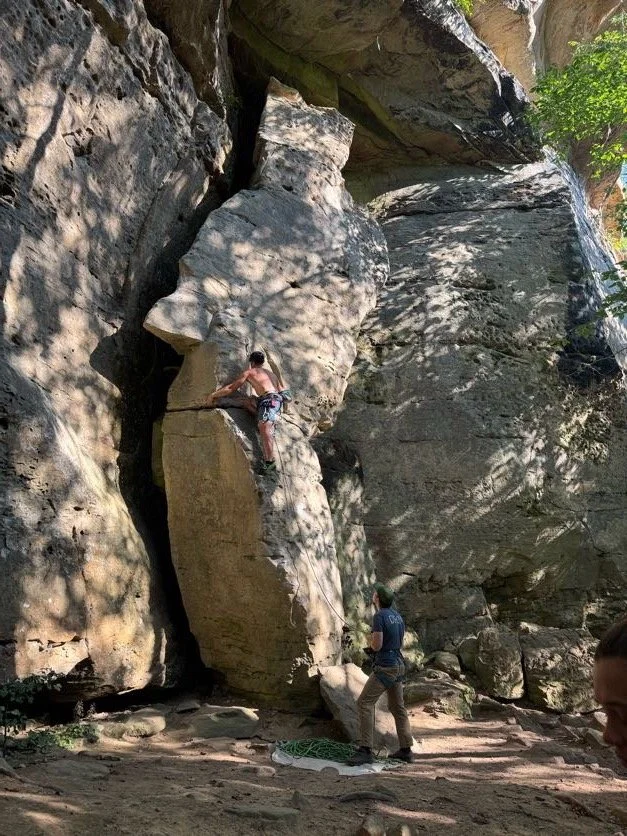
Individualized treatment related to your goals
At Rose Recovery, you'll receive personalized, one-on-one physical therapy focused on more than temporary symptom relief. We combine movement assessment, targeted strengthening, mobility training, and progressive rehabilitation to help you return to climbing with greater confidence. Your treatment plan is designed around your injury, experience, and the physical demands of the climbing you want to do.